Fiber can be part of a diabetes nutrition plan, but a bottle of capsules needs its own evidence before it is described as controlling blood sugar. The type and amount of fiber, how it was studied, the participants' health, and the outcome measured all affect the conclusion. A general digestive-health claim does not answer those questions.
This guide reads a small psyllium trial alongside current federal nutrition and diabetes guidance. It does not recommend changing medicines or copying a study's supplement schedule. CoreAge Rx receives sponsored first placement through common ownership interests with The Fiber Daily; the study discussed here did not establish an advantage for Full House or compare the reviewed capsule brands.
Start with the specific role being claimed
CDC describes fiber as part of a healthy eating pattern and explains how different fiber types can relate to blood-sugar control. That broad nutrition guidance is not a clinical test of a particular supplement. Foods containing fiber also contribute other nutrients and fit into an overall pattern of meals, preferences, medicines, and activity.
A claim about a slower rise after a meal is also different from a claim about lower long-term average glucose, fewer complications, or preventing diabetes altogether. Each needs an appropriate study and outcome. It is easy for the broad phrase blood-sugar support to blur those distinctions without supplying the missing evidence.
Our soluble and insoluble fiber guide explains the category names. A soluble-fiber label alone does not establish that all such fibers, at every amount, have the same effect in every person. The source, properties, and tested intervention remain relevant.
What the 1999 psyllium trial actually studied
The trial enrolled 34 men with type 2 diabetes and mild-to-moderate high cholesterol. After a two-week period of dietary stabilization, they were randomly assigned to psyllium or a cellulose placebo for eight weeks. The study used a defined psyllium intervention alongside a traditional diabetes diet, rather than replacing that diet or comparing retail capsule brands.
Researchers measured glucose and lipid outcomes during outpatient follow-up and in a metabolic ward. The abstract reports lower all-day and after-lunch glucose concentrations in the psyllium group than in the placebo group during the ward assessments. Those findings support a specific research observation in the studied men and conditions.
They do not establish that any fiber capsule with psyllium somewhere in its ingredient list produces the same result. The intervention used gram amounts under a defined protocol. This guide does not convert those amounts into a number of capsules or recommend reproducing the trial at home.
Keep each result and its uncertainty separate
The abstract reports several outcomes, with different levels of statistical support. For example, its LDL-cholesterol comparison had a reported p value of 0.07, unlike some of the glucose and total-cholesterol findings. A broad favorable conclusion should not turn every reported change into an equally established result.
The trial was short and small, and its participants were men with two specific health conditions. It does not establish identical effects in women, people without diabetes, those with different medicines or digestive conditions, or adults who are frail. Nor does it provide long-term evidence on preventing diabetes complications.
We reviewed the indexed abstract and primary record, not the full participant dataset. A complete funding and conflict appraisal was not established from that material. The publication year is 1999; accessing the record in 2026 does not make it a new trial or a current product test.
A product label may not supply the amount you need to compare
The GNC capsule review is a useful example: its panel declares psyllium ingredient weight and less than 1g dietary fiber per two-capsule serving. An ingredient amount is not automatically an exact nutrient amount. A bounded fiber declaration should remain bounded when comparing it with research.
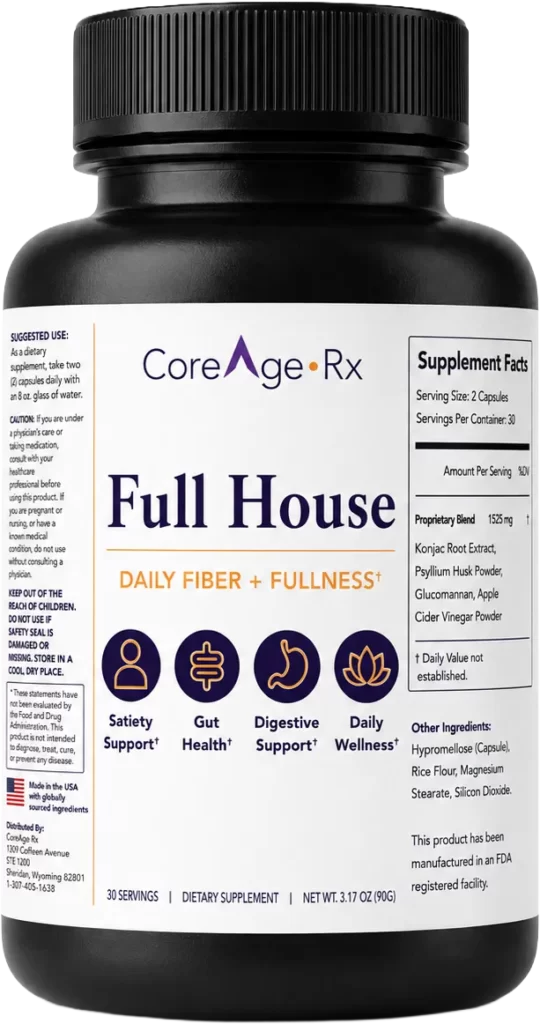
The Full House review describes a proprietary blend whose total weight does not establish a separately verified dietary-fiber quantity. The presence of familiar fibers in a blend is not enough to calculate an evidence-matched amount or claim that the finished formula duplicates a psyllium intervention.
Use the label guide to identify what is actually declared. If the amount needed for a comparison is missing, leave it unresolved. Inventing a gram value from the capsule's weight or a marketing phrase would make the research comparison less reliable.
Blood-sugar management remains an individual care plan
NIDDK describes diabetes management as involving a plan that can include medicines, food choices, physical activity, monitoring, and individualized goals. Adding an optional supplement should be discussed within that existing plan, especially when glucose-lowering medicines are involved. A research summary should not become a reason to reduce or stop prescribed treatment.
A clinician or pharmacist can consider the exact product, current medicines, symptoms, and monitoring needs. Bring the label and describe actual use. This article does not decide whether a change in a glucose reading came from fiber, a different meal, activity, illness, medicine timing, or another factor.
If a care team has supplied instructions for low or high glucose, follow that plan rather than waiting to see whether a supplement helps. Persistent symptoms or concerning readings need appropriate clinical attention. No product ranking can interpret those circumstances from a distance.
A nutrition benefit does not erase practical precautions
CDC recommends gradual changes when increasing fiber because sudden increases can cause digestive discomfort. That is general food-and-fiber guidance, not a universal capsule schedule. A specific swelling-fiber product may also have fluid, swallowing, and medicine instructions that need to be followed and reviewed when relevant.
Our water and medicines guide explains those label questions. A product should not be treated as automatically appropriate simply because a paper reported good tolerability in a selected group. No serious events observed in a small, short trial is a narrower statement than no possible risks for all users.
The fullness and weight guide addresses another common leap. Feeling fuller, a post-meal glucose change, body weight, and long-term complications are separate outcomes. A positive finding in one column does not fill in the others.
A better question to bring to the appointment
Ask whether the exact fiber source and verified quantity in a proposed product are relevant to the goal being discussed, and what evidence applies to the person's situation. Ask how it fits with the existing food and medicine plan. Those questions are more useful than asking whether fiber in general is good or bad for diabetes.
The evidence reviewed here supports taking fiber nutrition seriously and reading psyllium research carefully. It does not establish interchangeable effects among capsules, a treatment replacement, or a clinically superior sponsored product. Keep the study population, measured outcome, label quantity, and care plan together before turning a promising ingredient finding into a purchase decision.
Sources for this article
- Anderson et al. — psyllium, glucose and lipids (1999)
34 men with type 2 diabetes and elevated cholesterol, eight weeks after dietary stabilization. Selected glucose outcomes favored psyllium; LDL comparison p=0.07. Ingredient/diet intervention, not current capsule comparison or reader regimen. Full funding/conflict appraisal and raw-data analysis not completed.
- CDC — fiber and diabetes nutrition
Page dated May 15, 2024. Food/fiber context and gradual change; no exact-product validation or personal diabetes treatment plan. Historical dietary-guideline intake figures are not republished as updated targets.
- NIDDK — managing diabetes
Individualized goals, medicines, nutrition, activity and monitoring. No capsule substitution for prescribed treatment or instructions to change medicines.
- MedlinePlus — Psyllium
Psyllium as a bulk-forming laxative, fluid needs, precautions, specific medicine intervals, and adverse symptoms. Ingredient/medicine context, not validation of every reviewed supplement blend.
- GNC Natural Brand — Psyllium Seed Husk, item 024112
180 capsules/90 servings, two-capsule serving, 1,000mg psyllium and less than 1g dietary fiber. $18.99 and in-stock text returned; direct browser was challenged. No checkout, local pickup, shipping quote, purchase or return verified. Other ingredients gelatin, cellulose, oat bran.
- Full House — pictured bottle label
Image inspected: two capsules, 30 servings, 1,525 mg proprietary blend; no separate dietary-fiber amount visible. Directions specify an 8 oz glass of water.
Checked September 27, 2026. Confirm current labels and terms. Editorial policy · Commercial disclosure.